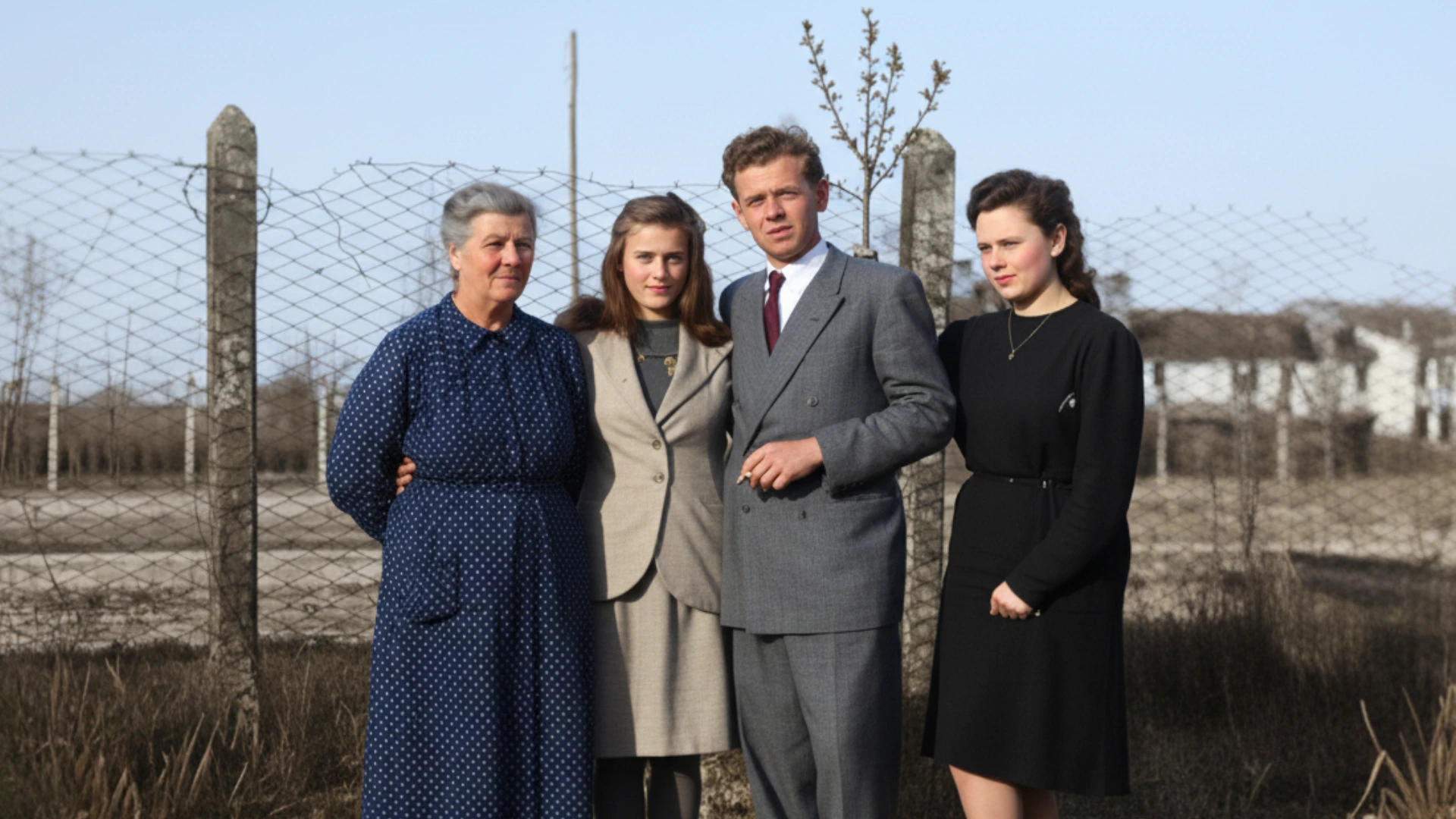
Old Photo Restoration

Restore Old Photos with AI

Bring softer, faded family pictures back to clearer life. This old photo restoration AI workflow enhances detail so scanned prints and older digital photos are easier to share and archive.

Uses the Phota Enhance model (fal-ai/phota/enhance) for photo and face enhancement. For very small scans, follow up with the AuraSR image upscaler. Honest restoration improves clarity—it does not invent missing people or perfect every tear.

Upload your image

Drag and drop, paste, or choose a file

Supports JPG, PNG, and WebP up to 10 MB

Sign up and get 25 free credits, enough for 1 free enhancement. No credit card required.

How to restore old photos online

Fix old photos with AI in three steps—upload a scan or digital archive file, enhance, and download.

1

Upload the old photo

Use a flat scan or digital copy in JPG, PNG, or WebP. Avoid skewed phone photos of photos when possible.
2

Let AI restore clarity

Enhancement improves soft detail, faces, and overall readability of aged pictures.
3

Download the restored keepsake

Preview carefully, then save a clearer file for sharing or archiving.

What old photo restoration AI can—and cannot—do

Searches for restore old photos, old photo restoration AI, and fix old photos cover a wide range of damage: fading, softness, scratches, stains, and tiny scans. ImgEnhancer helps most with softness, facial clarity, and general quality on photos that are still readable. The primary CTA on this page runs the real enhance flow (Phota Enhance). If the scan is extremely small, continue with the image upscaler to increase resolution. Deep structural repair—filling large missing corners, removing complex stains, or recoloring black-and-white scenes with perfect historical accuracy—may need specialized editors or manual work. We state that clearly so expectations stay honest: AI can make many family photos clearer and more shareable; it is not a museum-grade guarantee for every print.

Fix old photos that are soft or faded

Age and repeated compression often leave faces and clothing looking foggy. Enhancement recovers local contrast and detail so expressions read better on modern screens. Start with the highest-quality scan you can make: place the print flat, use even light, and capture at a high resolution.

Restore old photos for sharing and archives

Families often want a clearer copy for chat albums, memorial slides, or printed books. Enhance the digital copy, keep the original scan untouched, and store both. If multiple relatives share the same print, enhance once from the best scan rather than re-photographing phone screens.

Combine enhancement and upscaling

Old photo restoration frequently needs two steps: enhance for quality, upscale for size. This page leads with enhancement because faces and textures matter first. Use /image-upscaler or /increase-image-resolution when the keepsake must fill a larger frame.

Honest limits—no fake miracles

Large tears, chemical stains, and completely washed-out faces may only partially improve. We do not display fabricated star ratings or claim 100% recovery. Preview the result; if it helps your keepsake, download it. If not, you still have the original file.

Common old photo restoration uses

Best when the scan still shows people or places clearly enough to enhance.

Family album scans

Memorial and tribute slides

Genealogy projects

School and team reunions

Marketplace vintage listings

Personal archive cleanup

See old photo restoration before and after
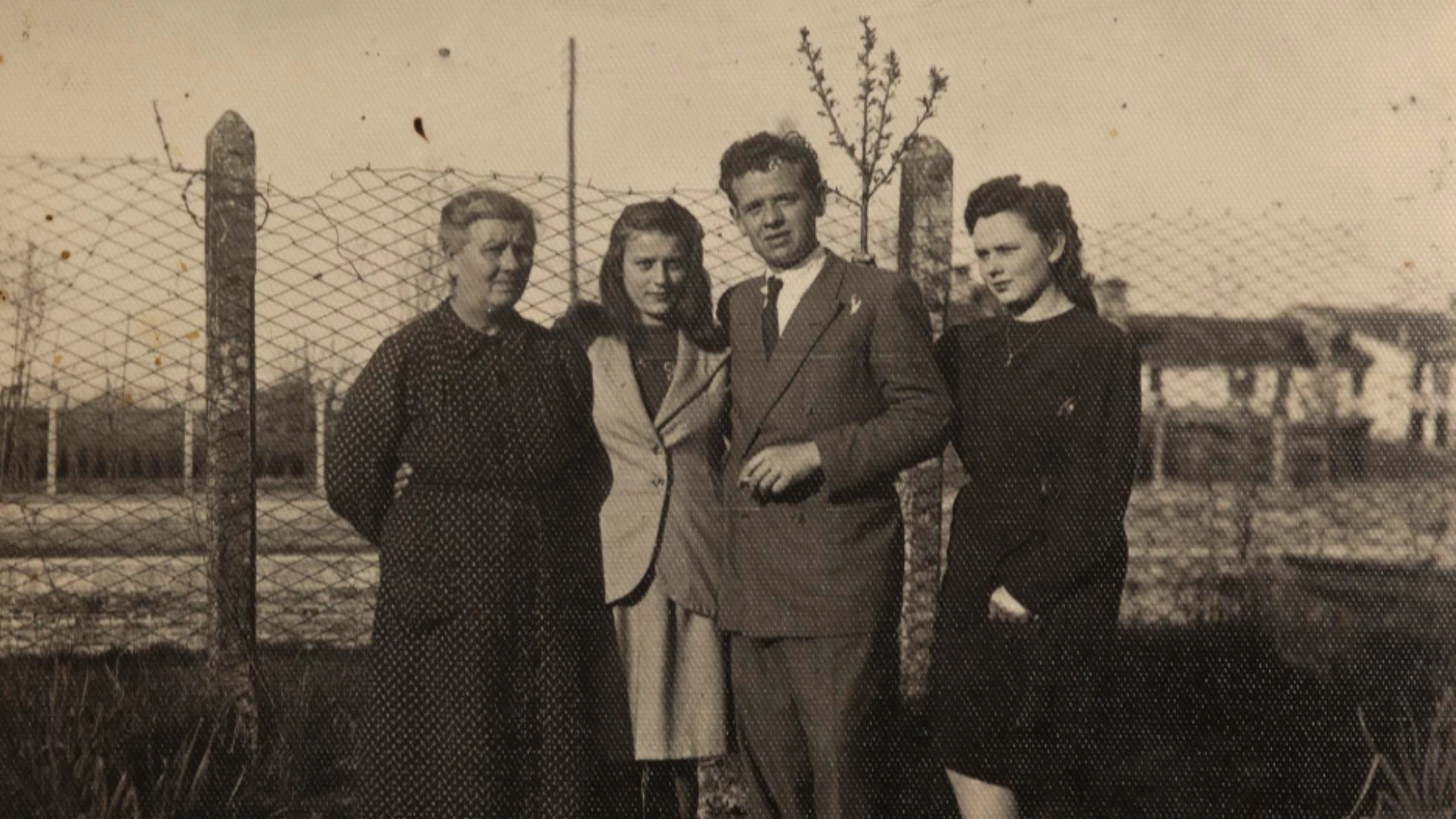
Old photo before enhancement
Old photo after enhancement
||

Old photo

Restore old photos, faded family pictures, and low-quality scanned images with clearer texture and stronger detail. The goal is to improve the photo while preserving the original look and memory. Use the slider to compare the original image with the enhanced result and see how clarity, edges, and detail improve without making the image look artificial.

Restoration path compared

Combine enhance, upscale, and unblur depending on what the old photo needs.

Old Photo Restoration

Aged prints and soft scans

Clearer keepsake photos

Photo Enhancer

General quality recovery

Cleaner modern or old photos

Image Upscaler

Tiny scans needing more pixels

Larger restored files

Face Enhancer

Close-up faces in archive portraits

Clearer facial detail

Tips to restore old photos more successfully

Better scans lead to better AI old photo restoration results.

Scan flat with even light

Avoid glare and curved pages; glare permanently hides detail.

Capture more megapixels than you think you need

You can always downsize later; you cannot invent detail that was never scanned.

Do not enhance a photo of a photo on a screen

Photograph the print directly or use a scanner whenever possible.

Keep an untouched master

Store the raw scan alongside the restored download for future tools.

Careful with family keepsakes

Process privately online—restored downloads are for you, not a public gallery.

Supported formats

JPG

PNG

WebP

Up to 10 MB

Why restore old photos with ImgEnhancer?

A practical AI path to clearer family photos using real enhance and upscale tools.

Real enhance model

Phota Enhance improves soft detail and faces in aged photos.

Optional upscale follow-up

Use AuraSR when the scan still needs more resolution.

Honest guidance

We explain limits clearly—no fake ratings or impossible promises.

Old photo restoration FAQ

Practical answers about restoring old photos with AI and what to expect.

Can AI restore old photos?

AI can improve many soft, faded, or low-detail old photos. Severely torn, stained, or blank areas may only partially improve and sometimes need manual repair.

Is old photo restoration free to try?

Yes, with available credits. Larger batches may need a paid package.

Which model does this page use?

The upload CTA uses Phota Enhance (fal-ai/phota/enhance). For tiny scans, continue with AuraSR upscaling on the image upscaler page.

Can it colorize black-and-white photos automatically?

This workflow focuses on clarity enhancement, not guaranteed automatic colorization. If you need creative recoloring, use a dedicated edit flow after restoration.

Should I scan or photograph the print?

A flat scan or carefully lit copy is best. Angled phone photos of photos introduce glare and keystone distortion.

What formats are supported?

JPG, PNG, and WebP up to 10 MB.

Will my family photos be public?

No. Uploads are processed for restoration and are not published to a public gallery.

Do you guarantee perfect museum restoration?

No. We offer honest AI enhancement to make many keepsakes clearer. Preview first—no fabricated ratings.

Learn more in the AI image enhancer guide Then continue with related tools: Open the AI image enhancer or continue with the AI photo enhancer, AI face enhancer, AI image upscaler when faces need a closer pass, or you need more resolution after restoration.